Our vision
A secondary school where every student is known, where learning is rooted in the land and the community around it, and where young people graduate ready to care for each other and the places they live.
About our school
Our vision
A secondary school where every student is known, where learning is rooted in the land and the community around it, and where young people graduate ready to care for each other and the places they live.
Our mission
Cedar Roots provides a rigorous, inclusive Grades 9–12 education that combines the BC curriculum with land-based, experiential and student-directed learning, in close partnership with families and the wider community.
Who we are
Cedar Roots encourages students to take ownership of their education. We offer multiple pathways through the BC curriculum and regular opportunities to explore individual interests and goals, with teachers who help students plan, reflect and stretch themselves.
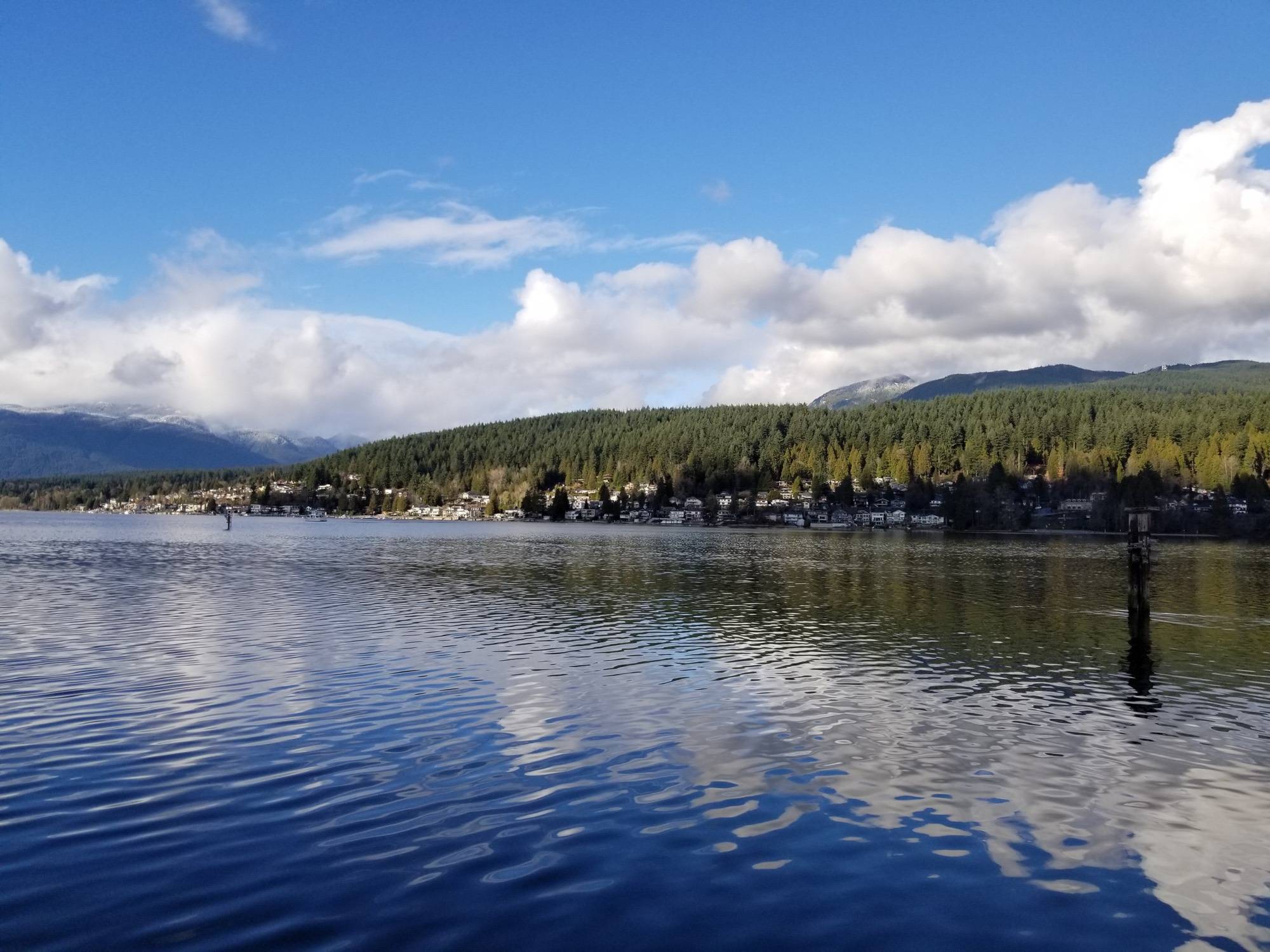
We believe learning extends far beyond classroom walls. Our proximity to the ocean, forests, parks and the local community creates meaningful opportunities for experiential learning — and our timetable is built so those opportunities are part of ordinary school weeks.
Students develop strong academic foundations while taking part in outdoor education, community service, the arts, athletics, mentorship and leadership. Throughout, we emphasize accessible learning environments, student wellness, belonging and relationships.
Every student has a place, a voice and at least one adult who knows them well.
Questions drive learning. Students investigate, test ideas and make things.
We care for the shoreline, forest and community that teach us.
Students take ownership of their learning and their impact on others.
We try new things, learn from mistakes and speak up for what is right.
Our proposed location
We imagine Cedar Roots near the former Ioco townsite, at the end of Ioco Road in Port Moody. We chose this area because it brings together the things our learning model depends on.
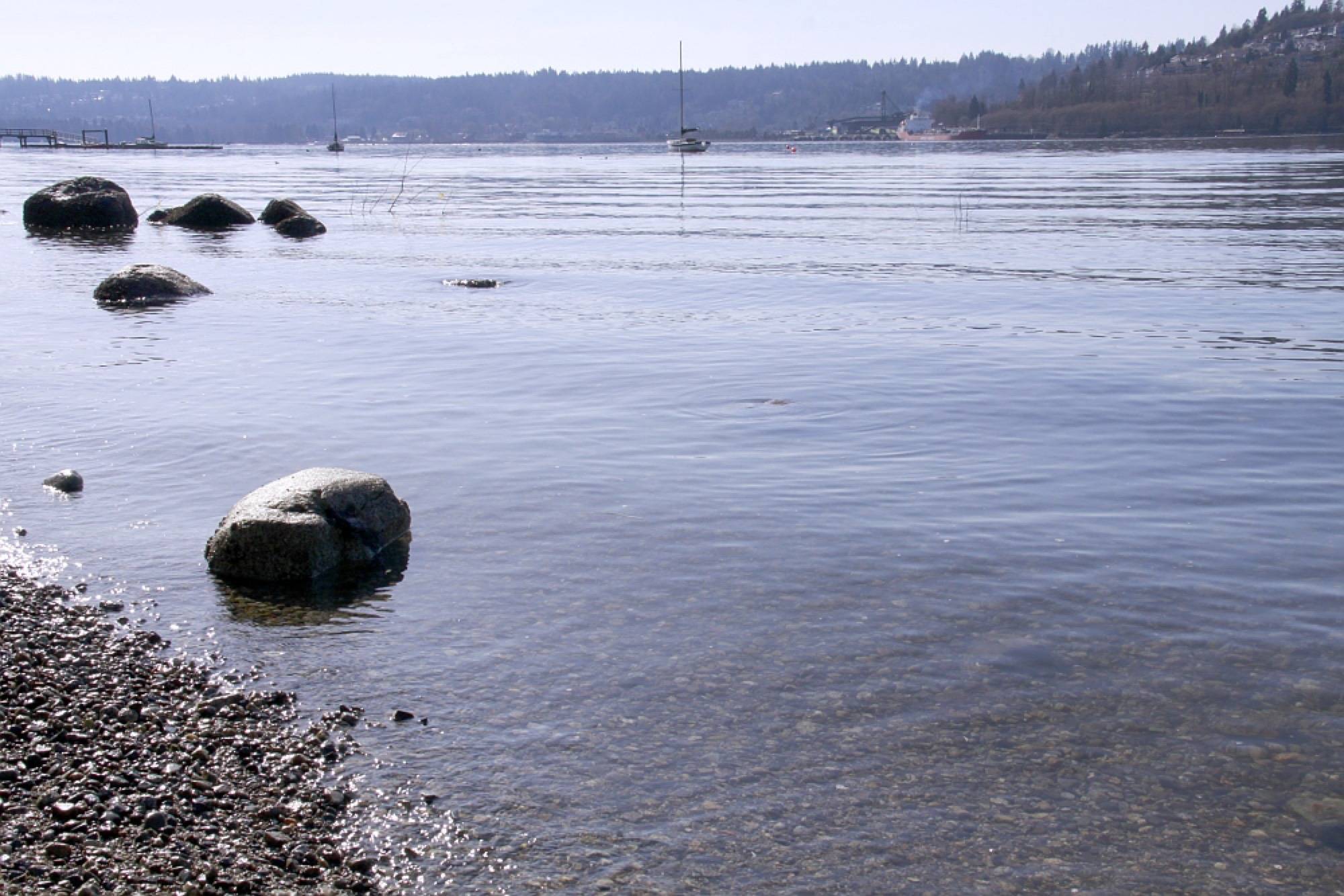
The inlet's shoreline offers a living laboratory for marine science, tides, water quality and the long history of how people have used this coast.
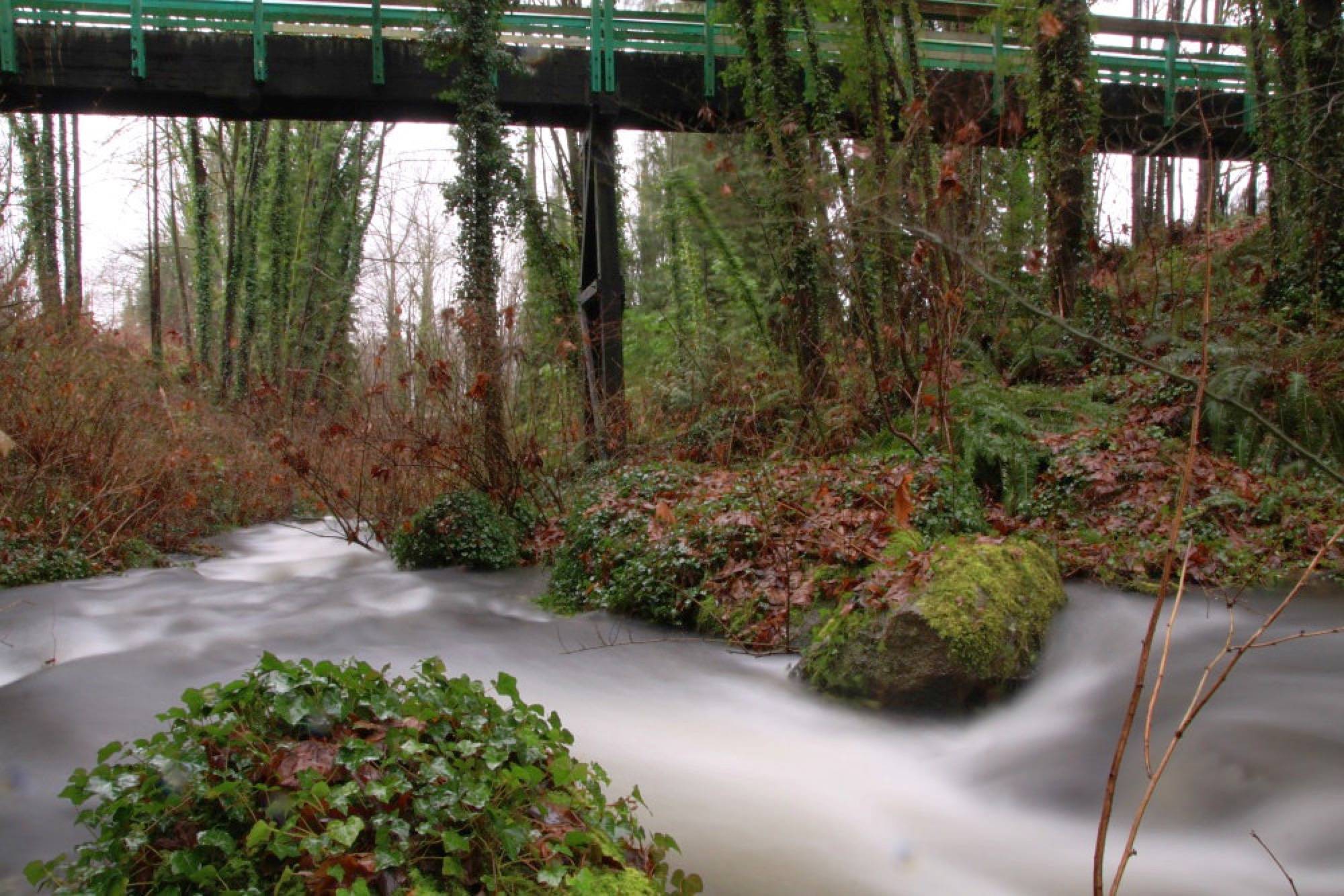
Forested areas and regional parkland in the surrounding area could support regular ecology fieldwork, navigation and outdoor leadership.
A site at the edge of the urban area lets students study how development, industry and natural systems interact — with real questions to investigate.
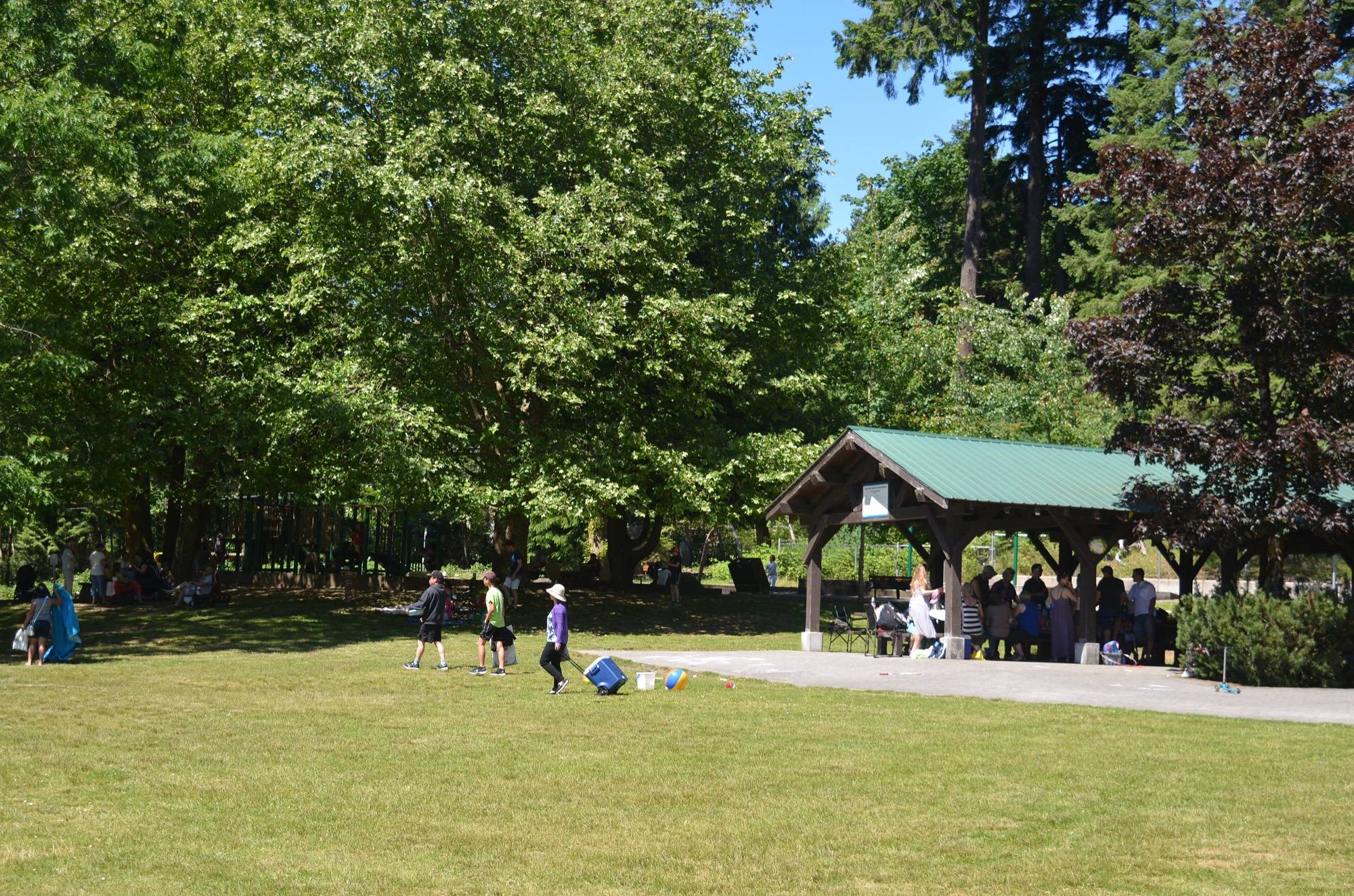
The Ioco area carries a long community history. A school here could become a new gathering place for families, neighbours and local groups.
Existing transit networks in Port Moody could potentially connect students to the site. Actual routes, service and travel times would need careful study.
Our vision, illustrated
Proposed school design
Mass-timber construction, large windows and views to the trees and water, reflecting West Coast building traditions and lowering embodied carbon.
Classrooms open onto covered outdoor learning areas so a lesson can move outside without a bus, a permission form or a long walk.
Step-free routes, accessible washrooms and change rooms, clear wayfinding and adjustable furniture throughout — planned from the start, not added later.
Good acoustics, fresh air, natural materials and quiet regulation rooms to support focus and wellbeing for students and staff.
The gym, studios, garden and learning commons are grouped so they can open to the public after hours while classrooms stay secure.
Community-centred education
A community school is more than a building that hosts evening events. It means families are partners in their children's learning, local knowledge has a place in the classroom, and students contribute to the life of their neighbourhood.
Cedar Roots would earn that trust gradually — through listening, through consistent and respectful relationships, and through programs shaped with the community rather than delivered to it.
We recognize that Port Moody and the waters of Burrard Inlet lie within the traditional, ancestral and unceded territories of Coast Salish peoples, including the Kwikwetlem First Nation and Tsleil-Waututh Nation, whose relationships with these lands and waters continue today.
Community connections